

Equine Rehabilitation & Recovery Training
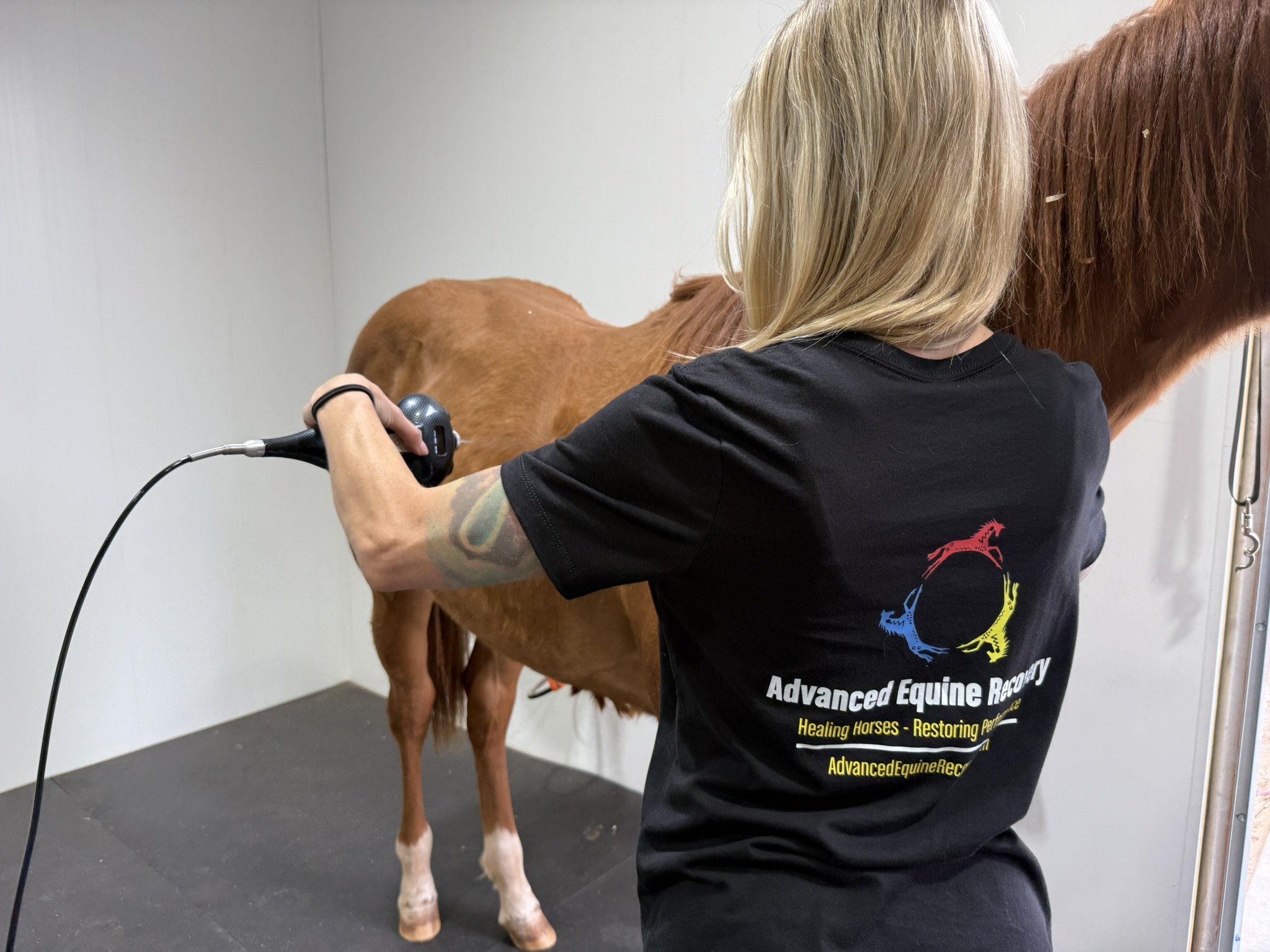
Comprehensive equine recovery education covering nervous system regulation, fascia, movement, circulation, and device-based recovery designed for real-world application in barns, rehab facilities, and show environments.
Training Dates: May 15–17, 2026
Schedule:
Friday: 9:00 AM – 6:00 PM
Saturday: 9:00 AM – 6:00 PM
Sunday: 9:00 AM – 4:00 PM
A lunch break will be provided daily.
What You’ll Learn
How to observe movement, posture, and compensation patterns
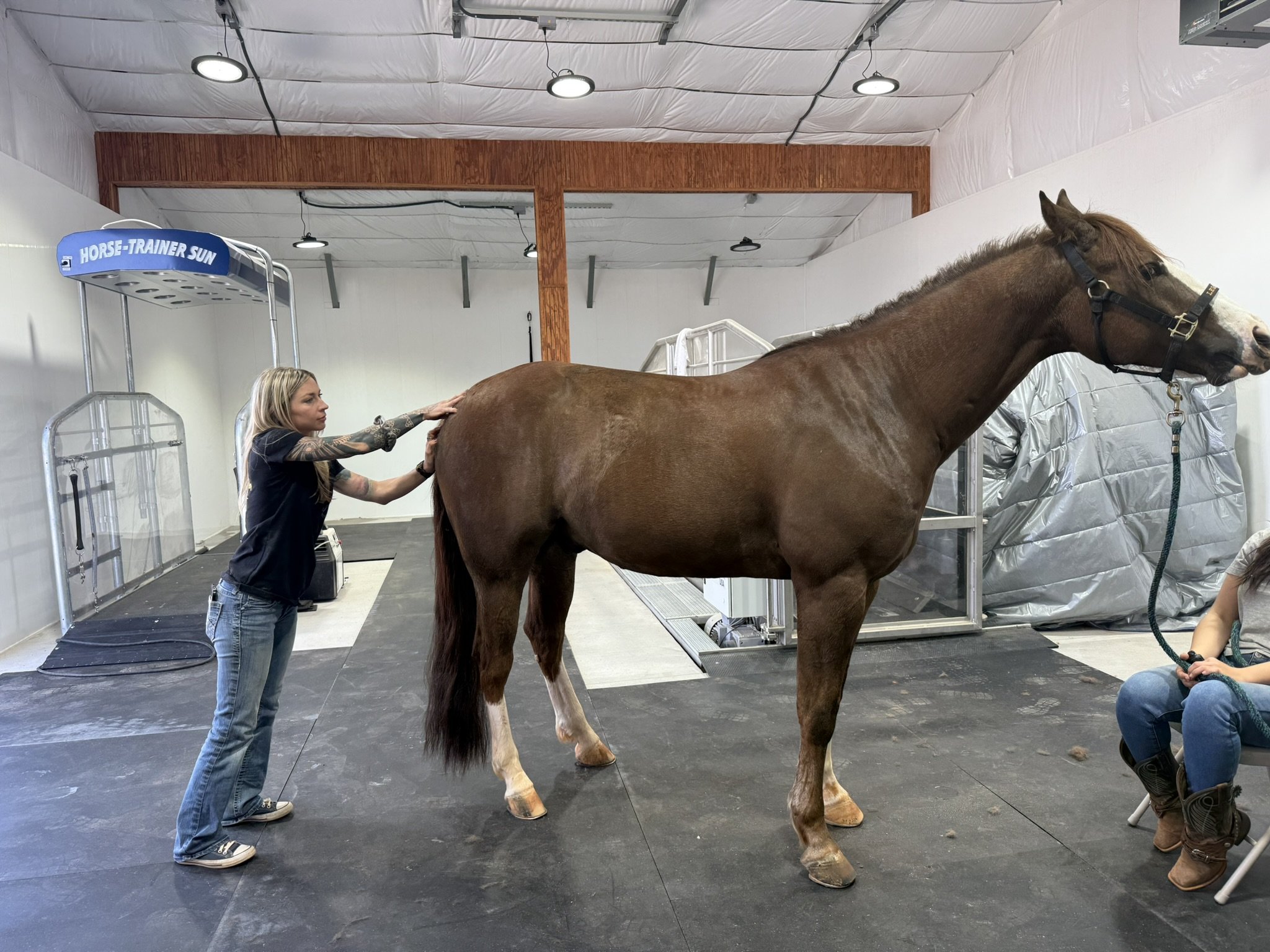
Palpation skills for fascia, tissue tone, and nervous system response
Somatic equine massage techniques and sequencing
Nervous system regulation and parasympathetic activation
Fascia-based recovery and myofascial release
Walking techniques and movement re-patterning
Temperature therapy: when to use heat vs cold
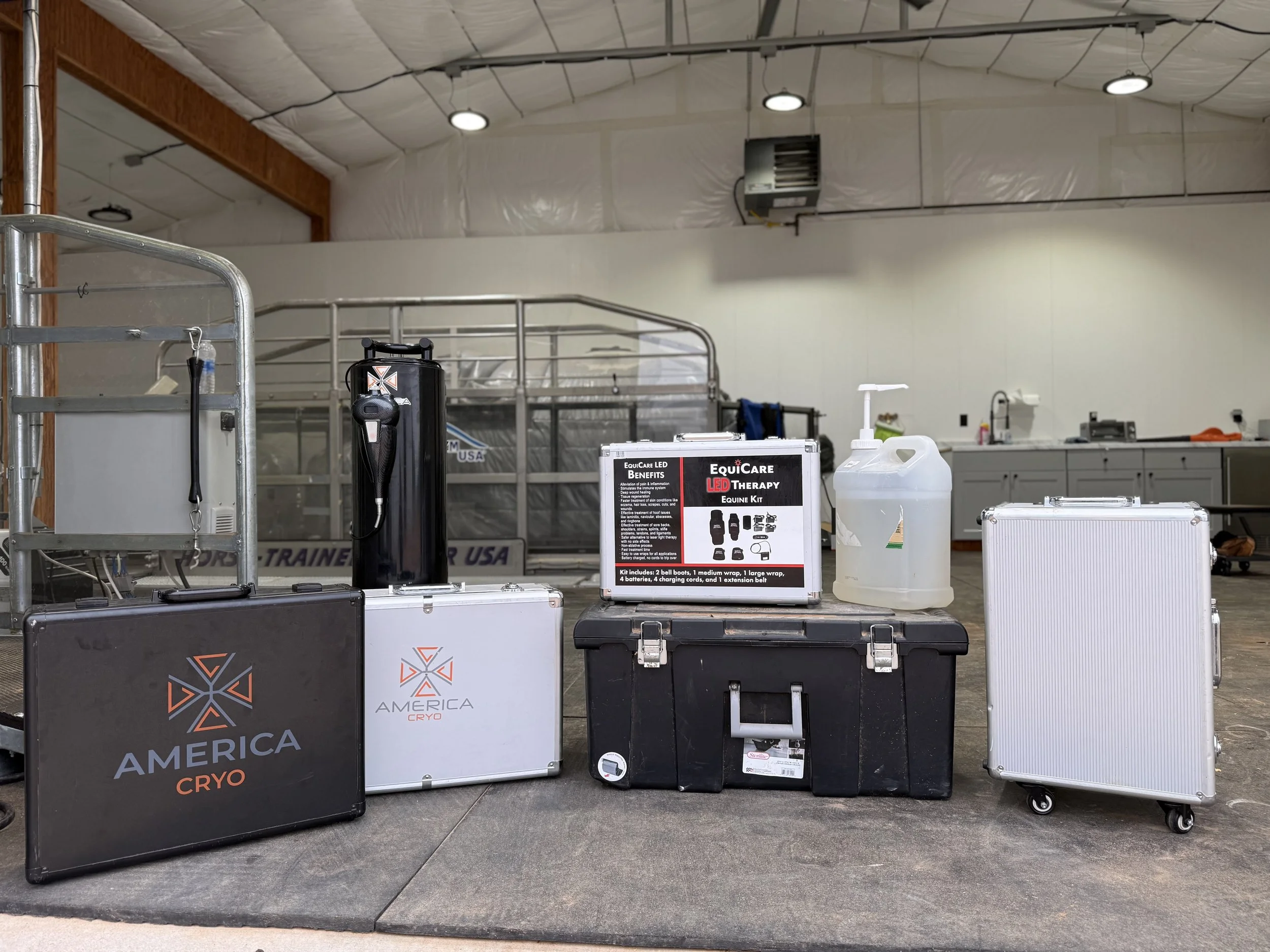
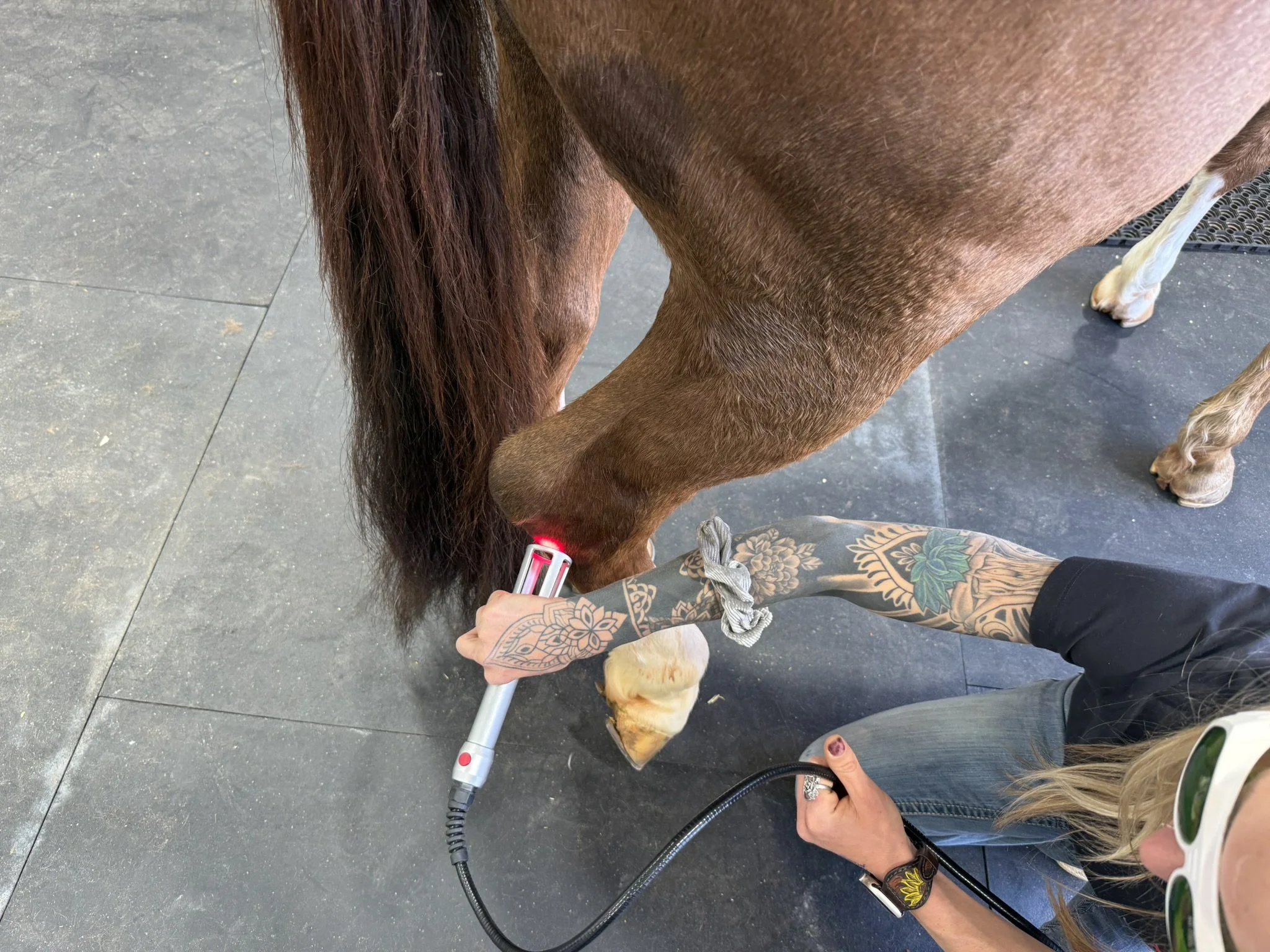
Device application: Class IV Laser, PEMF, Shockwave, Cryotherapy
Progressive recovery protocols for common performance-horse issues
How to support recovery without overriding the horse’s thresholds
About the Training
Advanced Equine Recovery trainings teach a whole-horse recovery approach that goes far beyond soft tissue work.
This education integrates:
Nervous system regulation
Fascia and myofascial chains
Postural and movement patterns
Somatic and trauma-informed bodywork
Circulation and lymphatic support
Evidence-informed use of recovery devices
Trainings are grounded in hands-on case work with performance horses and focus on how the horse’s entire system responds to work, stress, hauling, injury, and recovery.
This is not a veterinary diagnosis or treatment, but practical recovery support designed to work alongside veterinary care.
Who These Trainings Are For
Performance horse owners
Trainers and assistants
Equine rehab and recovery practitioners
Barn managers
Show grooms and staff
No prior certification required.
These trainings focus on supportive recovery, regulation, and functional movement, not diagnosis or medical treatment.
The Advanced Equine Recovery Manual
The Advanced Equine Recovery Manual is the written foundation of this training program and is used to support live and hands-on education.
It includes:
Nervous system–based recovery principles
Fascia and anatomy references
Palpation and observation guidance
Walking and movement techniques
Somatic equine massage sequences
Device protocols and safety considerations
Progressive recovery frameworks